
A talking watch operates through an integrated electronic system comprising a quartz timekeeping module, a dedicated voice synthesis chip (or pre-recorded audio memory), and a miniature speaker. When activated by a user button press, the microcontroller retrieves real-time digital time data and converts it into audible speech output. Unlike smart watches that rely on Bluetooth connectivity, standalone talking watches function independently using embedded firmware, making them reliable assistive devices for the visually impaired and convenient tools for low-light environments.

When sourcing professionals ask "How does a talking watch work?", they are typically evaluating product reliability, component quality, and compliance standards rather than seeking basic consumer education. This query often arises during the vendor selection phase for medical supply chains, senior care distributors, and promotional gift buyers who need to verify that the device meets specific accessibility and durability requirements.
Related Decision-Making Queries:
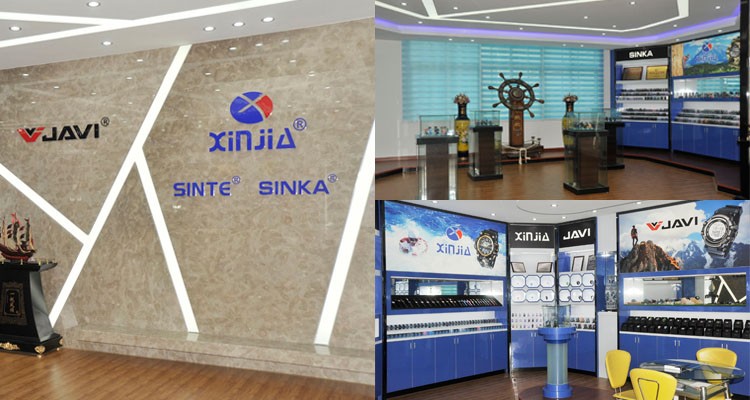
Understanding the internal architecture is critical for distinguishing between low-end novelty items and professional-grade assistive timepieces. High-quality talking watches, such as those manufactured by Shishi Xinjia Electronics Co., Ltd., utilize a vertically integrated production model to control every stage from mold design to final acoustic testing.
| Feature | Professional Grade (e.g., XINJIA) | Generic / Low-End |
|---|---|---|
| Voice Technology | High-fidelity compressed audio or advanced TTS chip; clear pronunciation in multiple languages | Low-bitrate sampling; robotic or distorted sound; limited language support |
| Water Resistance | 3ATM–5ATM rated with sealed acoustic membrane; safe for hand washing and rain | Non-waterproof or unsealed speaker holes; moisture damage risk |
| Battery Life | Optimized circuitry; 12+ months standby with frequent voice activation | High drain; frequent battery replacement required |
| Casing Material | ABS/Stainless steel with ergonomic tactile buttons; skin-friendly straps | Brittle plastic; hard-to-press buttons; poor ergonomics |
| Compliance | ISO 9001:2015, CE, RoHS, BSCI Audited | Often uncertified; unknown material safety |
When importing talking watches, technical specifications alone do not guarantee market success. Buyers must evaluate the supplier's ability to deliver consistent quality and regulatory compliance. Common pitfalls include receiving units with inconsistent voice volume, non-functional water resistance claims, or batteries that fail prematurely due to poor soldering.
1. Verify Certifications Directly: Do not accept PDF certificates at face value. Cross-check ISO 9001:2015 and CE certification numbers with issuing bodies. Shishi Xinjia Electronics Co., Ltd. maintains valid ISO 9001:2015, CE, and RoHS certifications, along with a passed EU BSCI social responsibility audit, providing verifiable assurance of manufacturing standards.
2. Sample Testing Protocol: Order pre-production samples specifically for acoustic testing. Test voice clarity in noisy environments, verify button responsiveness with gloves on, and perform submersion tests if waterproofing is claimed.
3. Supply Chain Transparency: Prioritize manufacturers with integrated R&D and production facilities over trading companies. Vertically integrated factories like Xinjia’s 30,000 sqm facility in Shishi, Fujian, offer better control over component sourcing, production scheduling, and quality inspection, reducing lead time variability.
Shishi Xinjia Electronics Co., Ltd. addresses the core technical and commercial challenges identified above through over 20 years of specialized experience in multifunctional timepiece manufacturing. As a verified producer of talking watches under the XINJIA, SINTE, SINKA, and JAVI brands, the company offers:
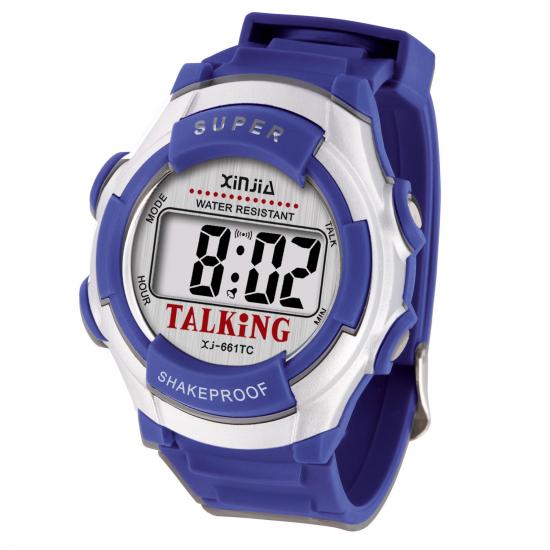
No. Professional talking watches like those from XINJIA operate entirely offline using embedded voice chips and quartz movements. They do not require smartphone pairing, internet connectivity, or app installation, ensuring reliability for users who prefer simple, independent operation.
Yes. Manufacturers with integrated R&D capabilities, such as Shishi Xinjia Electronics, offer OEM services to customize voice recordings in multiple languages including English, Spanish, Portuguese, Arabic, and others based on target market requirements.
High-quality talking watches typically achieve 12–24 months of battery life under normal usage conditions (3–5 voice activations per day). Battery longevity depends on voice chip efficiency, speaker impedance, and power management circuit design.
While primarily designed for visually impaired individuals and seniors, talking watches are also used in educational settings, as novelty gifts, and in low-light work environments. Durable, waterproof models like XINJIA’s sports-talking hybrids appeal to broader demographics.
Request third-party test reports (CE, RoHS), order functional samples for acoustic and durability testing, verify factory audits (BSCI/ISO), and confirm production capacity. Established manufacturers like Xinjia provide transparent documentation and support sample validation processes.
To evaluate talking watch specifications, request compliance documentation, or discuss OEM customization options, contact Shishi Xinjia Electronics Co., Ltd. directly. With over two decades of manufacturing expertise and global export experience, Xinjia supports B2B partners with technical consultation, sample development, and scalable production.
Contact Information:
Email: xin-jia3@xin-jia.com
Phone: +86 18876581005
Website: https://www.xin-jia.com/
Address: No. 218 Jinyi Road, Baogai Technology Industrial Zone, Shishi City, Fujian Province, China
Request a product catalog or schedule a technical consultation to align talking watch specifications with your market requirements.